


Buyer Hub
How to Save on Construction Materials
For every dollar of material that goes into a completed building, roughly 25 cents ends up as surplus — ordered extra, spec'd then changed, or left over from finished projects. Most of it is new in box. If you know where to look, you can buy the same materials professionals use at 30-50% off retail.
Why This Works
Real Savings
Discounts of 30-50% off retail are common. For premium brands — where a single window or pallet of tile can cost thousands — the savings add up fast. Projects that wouldn't pencil at retail become feasible.
Same Quality
These aren't damaged goods. Most surplus inventory is new in original packaging, professional-grade, and current or recent production. The same Ann Sacks tile or Marvin window you'd buy at a showroom.
Where It Comes From
Understanding the source helps you evaluate what you're buying.
Project Overages
Contractors order 10-15% extra for contingency. When the project finishes under budget, the surplus remains. Usually new in box, often still on pallets.
Design Changes
Spec changes mid-project leave materials stranded. A client swaps tile selections, a window size changes. The original order — often already manufactured or delivered — needs a new home.
Dealer & Showroom Inventory
Showroom samples, discontinued displays, customer returns. Dealers need to move inventory to make room for new lines. Often premium brands at steep discounts.
Renovation Leftovers
Homeowners finishing renovations with leftover materials — that extra case of tile, the light fixture that got swapped out. Smaller quantities, but sometimes exactly what someone needs.
What to Look For
Condition
| Condition | What It Means | Typical Discount |
|---|---|---|
| New in box | Sealed original packaging | 30-40% off |
| Open box | Inspected, never installed | 35-45% off |
| Like new | Briefly installed, removed | 40-50% off |
| Used | Installed for some period | 50%+ off |
For most categories, "new in box" and "open box" are the sweet spot — real savings without condition concerns.
Verify Specifications
Leftover materials are only useful if they match your project. Before buying:
- Dimensions — Exact measurements, not approximations
- Model/SKU — Specific product, not "similar to"
- Quantity — Enough for your application, including waste factor
- Lot numbers — For tile, matching lots matter for color consistency
Understand the Source
Ask where materials came from and why they're being sold. "Project surplus, never opened" is different from "removed during renovation."
Where to Find It
Specialized Marketplaces
Purpose-built platforms for construction resale offer better selection and buyer protections than general classifieds.
- Unbuilt — Curated consignment + peer-to-peer marketplace for premium construction materials. Browse listings
General Marketplaces
- Facebook Marketplace — High volume, variable quality. Good for local deals. Inspect before buying.
- Craigslist — Active for construction materials. Local pickup focus.
- OfferUp / Nextdoor — Hyperlocal, smaller inventory.
Salvage & Reuse
- Habitat for Humanity ReStore — Donated materials. Lower-end but occasional premium finds. Find a ReStore
- Architectural salvage dealers — Specialize in reclaimed and vintage. Different market than surplus new goods. Build Reuse lists member yards nationally.
Direct from Source
- Dealer clearance — Showrooms sell overstock directly. Ask about clearance inventory.
- Contractor networks — If you know builders, ask about project surplus.
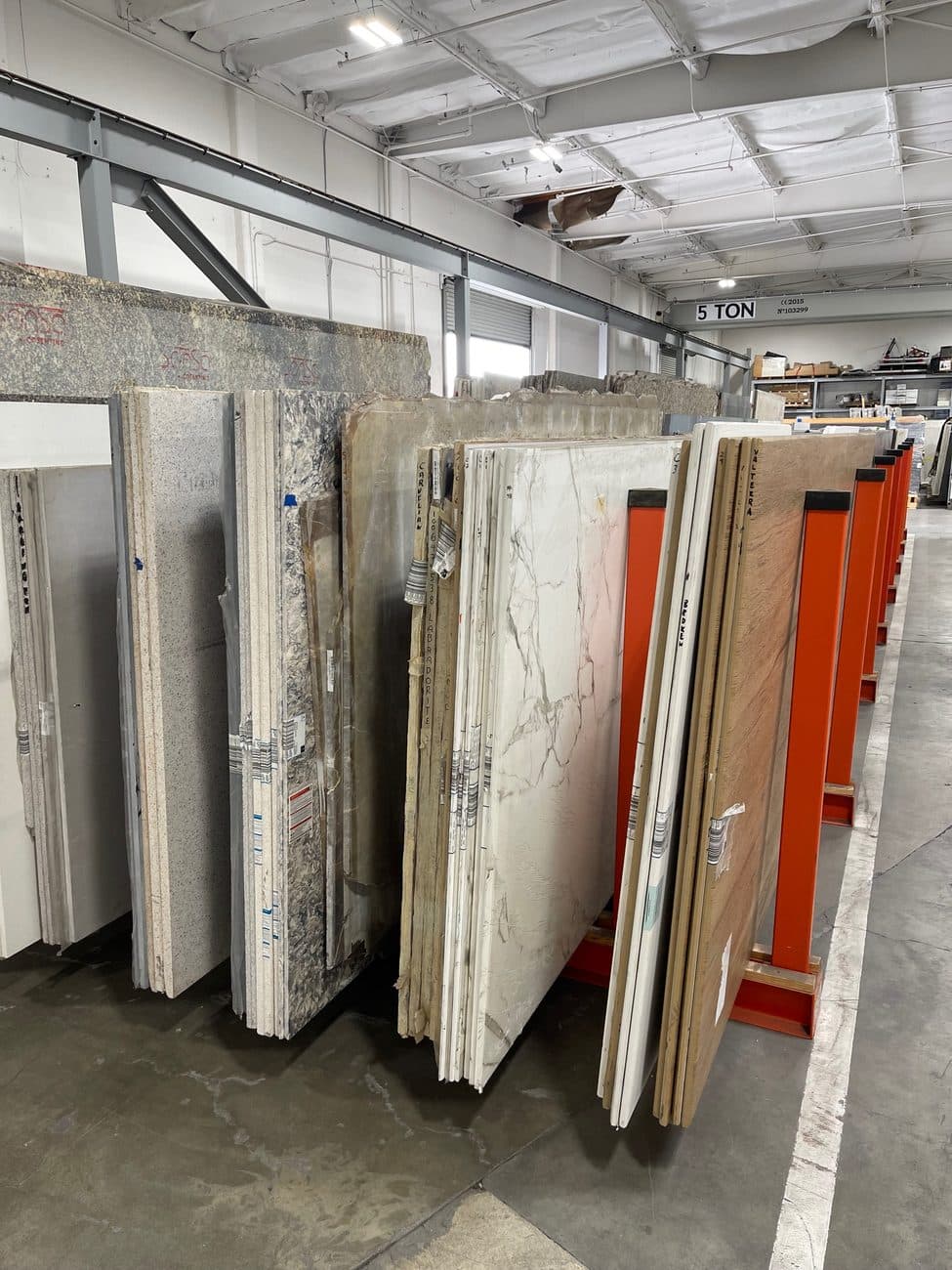
For large or heavy items — windows, slabs, full pallets of tile — local sources save on shipping costs. Search by location when possible.
Buying Guides by Category
Category-specific advice on what to look for, common issues, and shipping realities:
Buying Used & Surplus Windows →
New vs. installed, seal integrity, brand tiers, shipping considerations
Have Materials to Sell?
If you're sitting on leftover construction materials, there's a market for them.